
 Monday-Saturday 08:30 am to 03:00 pm


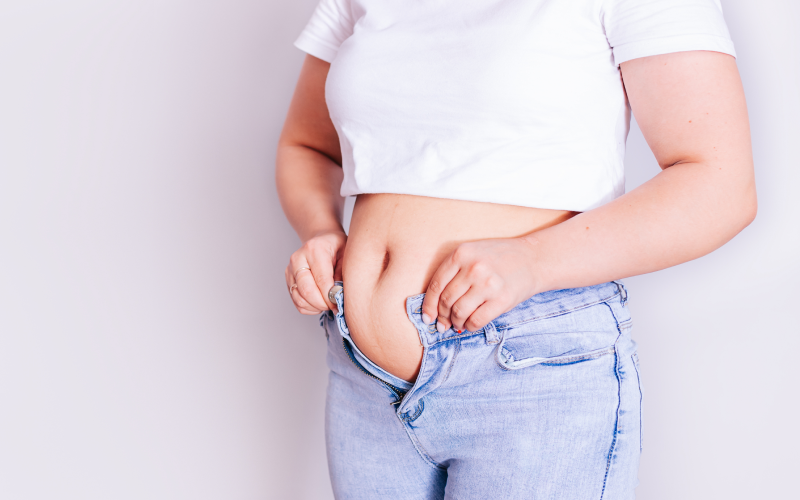
If you have PCOD, you already know how frustrating weight gain can be. You eat less. You exercise. But the weight just does not move. Or worse, it keeps increasing.
You are not imagining it. PCOD makes weight loss genuinely harder. And it is not your fault. Let us break down exactly what is happening in your body and what you can actually do about it.
What is PCOD and Why Does it Cause Weight Gain?
PCOD stands for Polycystic Ovarian Disease. It is one of the most common hormonal disorders in women of reproductive age. In India, studies suggest that 1 in 5 women has PCOD. When you have PCOD, your ovaries produce more male hormones called androgens than normal. This hormonal imbalance disrupts your menstrual cycle, affects ovulation, and directly impacts your metabolism. The result? Your body stores more fat, especially around the belly.The Insulin Connection Nobody Talks About
About 70% of women with PCOD also have insulin resistance. Insulin is the hormone that helps your body use sugar for energy. When your cells stop responding to insulin properly, your body produces more and more of it. High insulin levels tell your body to store fat instead of burning it. This is why women with PCOD can gain weight even on a normal diet. The problem is not just calories. It is hormones working against you.How Hormones Control Your Weight With PCOD
Three hormones play the biggest role in PCOD-related weight gain:- Insulin: When insulin is high, fat burning slows down. Your body stores more fat, especially around the abdomen.
- Cortisol: The stress hormone. High levels can lead to belly fat, cravings, and poor sleep.
- Leptin: The hormone that signals fullness. In PCOD, this signalling may not work properly, leading to increased hunger.
Why Crash Diets Make PCOD Worse
Many women with PCOD try crash diets out of desperation — very low-calorie diets, skipping meals, or cutting entire food groups. This is one of the worst things you can do with PCOD. Crash diets:- Increase cortisol levels
- Slow down metabolism
- Worsen insulin resistance
- Cause faster weight regain after stopping
What Actually Helps — Breaking the Cycle
The good news is that even a 5% reduction in body weight can significantly improve PCOD symptoms.- Low glycemic diet: Focus on foods that do not spike blood sugar — whole grains, dal, vegetables, and low-sugar fruits.
- Strength training: Building muscle improves insulin sensitivity. Aim for at least 3 sessions per week.
- Consistent sleep: 7–8 hours of quality sleep helps regulate cortisol and insulin.
- Stress management: Yoga, breathing exercises, or even daily walks can reduce cortisol levels.
- Medical support: Consult a diabetologist or endocrinologist if needed for proper evaluation and treatment.
Foods to Eat and Avoid With PCOD
Eat More Of:
- Moong dal, rajma, and chickpeas
- Leafy vegetables like methi and palak
- Whole grains like oats, ragi, and brown rice
- Nuts and seeds (flaxseeds, pumpkin seeds)
- Curd and paneer in moderate amounts
Cut Down On:
- White rice, maida, and processed snacks
- Sugar, sugary drinks, and packaged juices
- Fried food and trans fats
- Excess chai and coffee with sugar
Conclusion
PCOD is not just a gynaecological condition. It is a metabolic disorder — and it needs to be treated that way. Weight gain with PCOD is real. It is hormonal. And it can be reversed — not through punishment, but through the right medical and lifestyle approach. You do not need to fight your body. You need to understand it.At NoObesity, we treat PCOD-related weight gain with a combination of advanced diagnostics, personalised nutrition, and clinical expertise.
Frequently Asked Questions (FAQs)
1. Can I lose weight with PCOD permanently?
Yes. With the right diet, exercise, and medical support, permanent weight loss is possible. It takes consistency, not crash diets.
2. Which diet is best for PCOD weight loss?
A low glycemic diet works best. Focus on whole grains, dal, vegetables, and protein. Avoid sugar and refined carbs completely.
3. Does PCOD cause belly fat specifically?
Yes. High insulin and androgen levels in PCOD directly cause fat storage around the abdomen and waist.
4. How long does it take to see results with PCOD weight loss?
Most women notice changes in 8 to 12 weeks. Hormone improvement takes 3 to 6 months with consistent effort.
5. Do I need medication to lose weight with PCOD?
Not always. Many women manage with lifestyle changes alone. Medication depends on your hormone levels and doctor’s advice.